
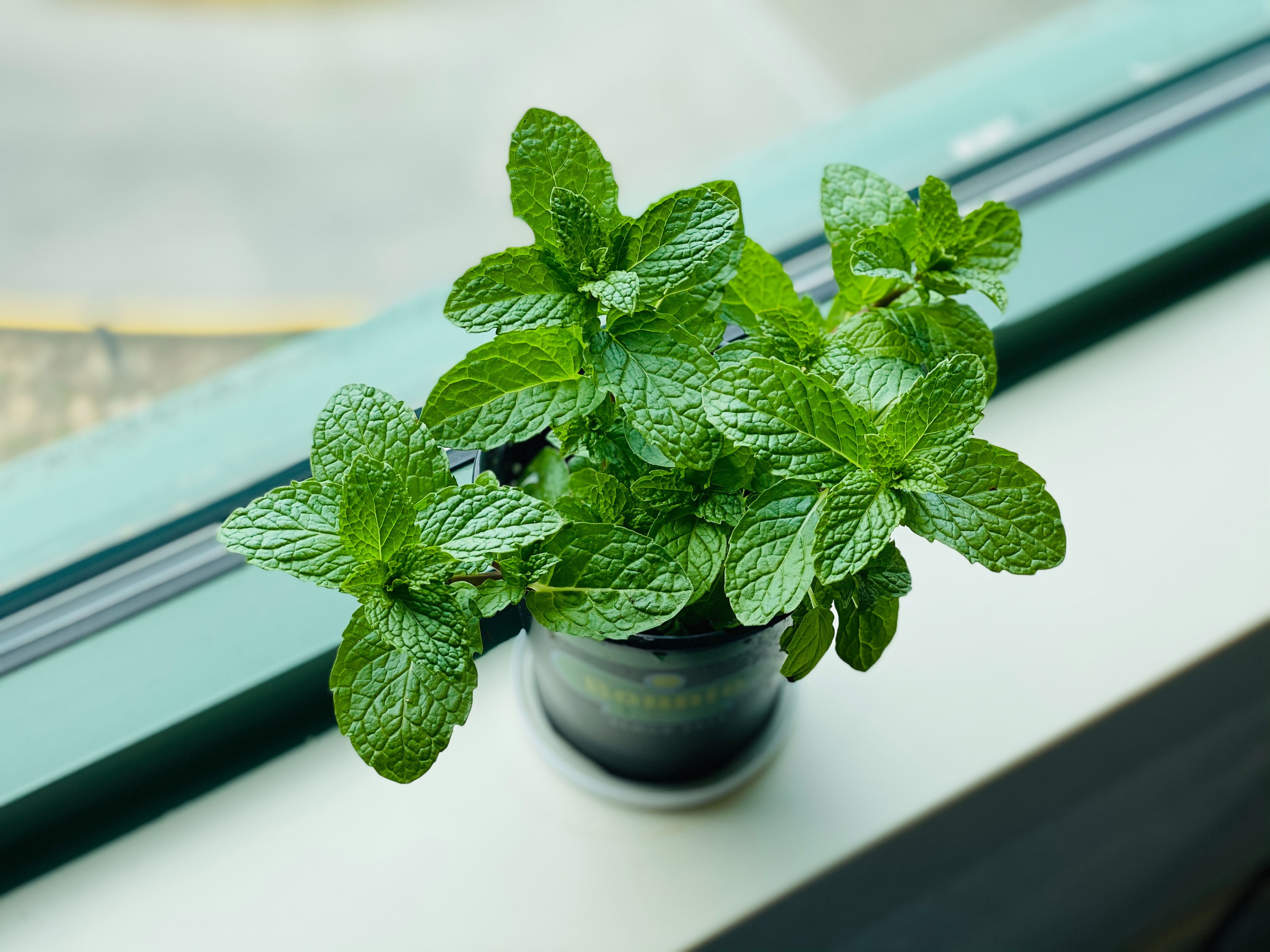
Imagine plucking a sprig of vibrant basil directly from your kitchen window as you whip up pesto for tonight’s pasta. Or picture snipping a handful of mint for a refreshing mojito, grown with your own loving care. No longer a seasonal luxury, cultivating a thriving indoor herb and greens garden lets you savor the taste of freshness and experience the joy of homegrown goodness 365 days a year. Whether you’re a seasoned chef or a budding culinary enthusiast, this comprehensive guide will equip you with the knowledge and inspiration to transform your windowsill or countertop into a verdant haven of edible delights.
Why Go Green Indoors?
The benefits of nurturing an indoor herb garden extend far beyond the undeniable thrill of harvesting sunshine-kissed leaves just before cooking. It’s a gateway to:
- Peak flavor and nutrition: Enjoy herbs at their absolute best, boasting peak flavor and nutrient content thanks to harvest right before use. No more limp supermarket herbs compromising your culinary creations!
- Year-round bounty: Escape the limitations of seasonal produce and indulge in homegrown goodness regardless of the weather outside. Your kitchen garden, once established, becomes a reliable source of fresh flavors all year round.
- Budget-friendly bounty: Save money on grocery bills by reducing your reliance on store-bought herbs. Witness the satisfaction of enjoying homegrown produce while stretching your culinary budget.
- Aromatic stress relief: Immerse yourself in the calming scents of growing herbs, creating a natural oasis of tranquility within your home. Let the verdant symphony of your indoor garden soothe your mind and spirit.
- Culinary creativity: Experiment with an exciting array of herbs, both familiar and exotic, expanding your culinary horizons and impressing your dinner guests. Discover new flavor combinations and elevate your dishes to new heights.

Taming the Indoor Jungle:
The perfect approach for your indoor herb haven depends on your space, natural light availability, and preferred gardening style. Here are some popular options to consider:
- The Sunny Squad: For those blessed with sunny windowsills, a classic pot-and-soil setup is ideal for sun-loving herbs like basil (Genovese, Thai, and holy basil offer distinct flavor profiles), oregano, marjoram, rosemary, and thyme. Group plants with similar water and light needs together for a harmonious mini-garden.
- The Hydro Heroes: Embrace the futuristic world of hydroponics! This water-based system, utilizing nutrient-rich solutions to nourish plants, is perfect for low-maintenance enthusiasts and those with limited space. Herbs like lettuce (butterhead, romaine, and red leaf varieties), spinach, kale, and even cherry tomatoes thrive in hydroponic setups.
- The Micro Marvels: Craving a quick and nutrient-dense boost to your meals? Look no further than microgreens! Harvested just after their first true leaves appear, these tiny powerhouses are packed with flavor and vitamins. Arugula, broccoli, radish, pea shoots, and sunflower greens are all excellent choices for windowsill gardens or dedicated microgreen growing kits, readily satisfying your green thumb cravings in days.
Conquering Low-Light Blues:
Even without a south-facing sunroom, you can cultivate a thriving indoor herb garden. Here are some tips for success in less-than-ideal lighting conditions:
- Shade-tolerant superstars: Opt for parsley, chives, cilantro, and mint, which flourish in indirect light. These versatile herbs add bright pops of flavor to your dishes even without basking in direct sunlight.Grow lights to the rescue: Supplement natural light with LED grow lights, mimicking the intensity and spectrum of sunlight that plants crave. Consider adjustable or timed grow lights for optimal control over your indoor garden’s light exposure.Mirror, mirror on the wall: Maximize light reflection by placing your gardens near reflective surfaces like mirrors or white walls. This simple trick can significantly improve the light available to your plants, even in dimly lit corners.Plant rotation routine: Regularly turn your pots to ensure even growth on all sides. This prevents your herbs from leaning towards the light source, keeping them compact and bushy.

Kitchen Gardening Hacks:
From seed selection to harvest bliss, these handy tips will keep your indoor herb garden flourishing:
- Start small, dream big: Don’t overwhelm yourself! Begin with a few easy-to-grow herbs like basil, parsley, and oregano, and expand your collection as you gain confidence and experience.
- Fresh or dried seeds? Freshly harvested seeds often have higher germination rates, but dried seeds offer more variety and longer shelf life. Choose the option that best suits your needs and desired plant selection.
- Watering wisdom: Overwatering is a common pitfall. Allow the soil to dry slightly between waterings, and avoid waterlogging to prevent root rot and stunted growth.
Recipe Roundup:
- Basil Bonanza: Infuse Caprese salads with vibrant Genovese basil, whip up a classic pesto with sweet Italian basil, or create a Thai stir-fry explosion with fragrant Thai basil.
- Mint Mania: Muddle fresh mint leaves for a vibrant mojito, add a refreshing touch to yogurt or smoothies with spearmint, or elevate Moroccan dishes with a sprinkle of peppermint.
- Cilantro Craze: Liven up guacamole with a generous handful of chopped cilantro, add a vibrant zing to salsa with Mexican coriander, or create a fragrant chimichurri sauce with Peruvian cilantro for grilled meats.
- Parsley Power: Garnish soups, stews, and roasted vegetables with flat-leaf parsley for a pop of color and fresh flavor. Experiment with curly parsley for a textural twist.
- Microgreen Marvels: Sprinkle peppery arugula microgreens on salads, top sandwiches with nutrient-packed broccoli shoots, or add a delicate radish green garnish to soups for a delightful surprise.

Beyond the Plate:
The joys of indoor herb gardening extend far beyond the kitchen. Explore these creative uses for your fragrant foliage:
- Aromatherapy Oasis: Create calming potpourris with dried lavender, chamomile, and lemon balm. Place them in bowls around your home for a relaxing scent that eases stress and promotes restful sleep.
- DIY Bath Products: Infuse bath oils or salts with herbs like rosemary or thyme for a luxurious and invigorating soak. Imagine the spa-like experience while pampering yourself with the fruits of your indoor garden.
- Natural Cleaning Solutions: Vinegar infused with rosemary or lemon balm makes a fantastic natural cleaning spray for countertops and windows. Ditch harsh chemicals and embrace the gentle cleaning power of your homegrown herbs.
- Eco-Friendly Crafts: Dry and press herb leaves to create beautiful botanical artwork or bookmarks. Preserve the beauty of your garden in unique and personalized home decor pieces.
Resourceful Roundup:
To keep your indoor herb haven thriving, here are some valuable resources:
- Books: “The Indoor Herb Gardener” by Imogen Mazzocchi, “Vertical Vegetables” by Leslie Halleck, “Microgreens for Everyone” by Rob & Diana Mikkelsen
- Websites: Bonnie Plants (bonnieplants.com), National Gardening Association (garden.org), Epicurious (epicurious.com)
- YouTube Channels: Garden Answer, Smart Gardening, Self Sufficient Me
- Online Communities: Facebook groups dedicated to indoor gardening, local gardening forums
Now that you’ve grasped the fundamentals of creating an indoor herb haven, let’s delve deeper into the fascinating world of individual plant varieties! We’ll explore some unique and flavorful herbs to consider adding to your verdant collection, along with tips for their specific needs and culinary uses:
Basil Bonanza:
- Genovese Basil: The quintessential basil, boasting large, flavorful leaves perfect for pesto, Caprese salads, and pasta dishes. Thrives in full sun and moist soil.
- Thai Basil: Anise-scented leaves ideal for stir-fries, curries, and Pad Thai. Enjoys full sun and regular watering.
- Holy Basil (Tulsi): Aromatic leaves with a hint of clove, revered for its medicinal properties and used in teas and Indian cuisine. Prefers bright, indirect light and slightly drier soil.

Mint Medley:
- Spearmint: Sweet and refreshing, perfect for mojitos, ice tea, or garnishing desserts. Tolerates partial shade and moist soil.
- Peppermint: Bold and invigorating, ideal for adding a zing to sauces, dips, and Moroccan dishes. Enjoys full sun and regular watering.
- Chocolate Mint: Unique and delightful, with a hint of cocoa in its leaves. Adds a twist to desserts, cocktails, and even savory dishes. Thrives in partial shade and slightly moist soil.
Cilantro Craze:
- Mexican Coriander: Classic cilantro flavor, essential for guacamole, salsa, and tacos. Enjoys full sun and well-draining soil.
- Vietnamese Coriander (Rau Ram): Anise-infused leaves popular in Vietnamese dishes like Pho and spring rolls. Prefers partial shade and moist soil.
- Lemon Coriander: Citrusy twist on classic cilantro, adding a refreshing touch to salads, seafood dishes, and Asian-inspired stir-fries. Thrives in full sun and well-draining soil.
Parsley Powerhouse:
- Flat-Leaf Parsley: The most common variety, with vibrant green leaves and a fresh, grassy flavor. Perfect for garnishing soups, stews, and roasted vegetables. Enjoys full sun and moist soil.
- Curly Parsley: Adds a decorative touch to dishes with its ruffled leaves and mild parsley flavor. Great for garnishing and salads. Prefers full sun and slightly drier soil.
- Italian Parsley: Flat leaves with a slightly more intense parsley flavor, ideal for pesto and Italian sauces. Enjoys full sun and moist soil.

Microgreen Marvels:
- Arugula Microgreens: Peppery and vibrant, adding a delightful bite to salads, sandwiches, and soups. Ready to harvest in just 7-10 days!
- Broccoli Microgreens: Packed with nutrients and boasting a slightly broccoli-like flavor, perfect for adding a healthy boost to salads, smoothies, and wraps. Ready in 7-10 days!
- Radish Microgreens: Spicy and vibrant, adding a pop of color and flavor to salads, sandwiches, and deviled eggs. Ready to harvest in just 5-7 days!
Remember, these are just a few starting points! With countless herb varieties available, the possibilities for your indoor herb garden are endless. Experiment, research, and discover your own favorites to create a personalized haven of edible delights.
Bonus Tip: Consider creating themed mini-gardens! Combine Thai basil, lemongrass, and galangal for a “Thai Kitchen” corner, or plant rosemary, thyme, and lavender for a “Mediterranean Bliss” nook. Get creative and have fun with your indoor herb oasis!
Leave a Reply