
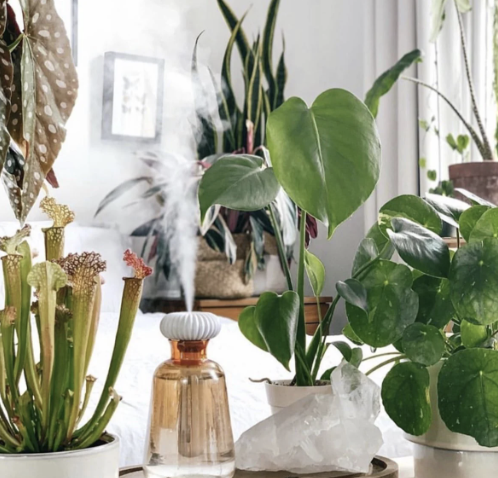
Creating a DIY Humidifier for House Plants on a Budget
House plants not only add a touch of nature to your living space but also contribute to a healthier indoor environment. However, maintaining the right humidity levels for your indoor plants can sometimes be a challenge, especially in dry climates or during the winter months when heating systems can sap the air of moisture. Commercial humidifiers can be pricey, but fear not—there’s a budget-friendly solution: creating your own DIY humidifier for house plants.
The Importance of Humidity for Indoor Plants
Before we delve into the DIY project, let’s understand why maintaining proper humidity is crucial for indoor plants. Many common house plants, such as ferns, orchids, and tropical species, thrive in high humidity environments. Insufficient humidity can lead to issues like dry leaf edges, browning, and overall poor plant health.

The Pebble Tray Method
One of the simplest and most cost-effective ways to boost humidity around your indoor plants is by using a pebble tray. Here’s how you can create one:
- Gather Materials:
- A shallow tray or saucer
- Small pebbles or stones
- Fill the Tray:
- Pour a layer of pebbles into the tray, ensuring they create an even surface.
- Add Water:
- Pour water onto the pebbles, but make sure it doesn’t submerge them completely. You want the water level to be just below the surface of the pebbles.
- Place Plants:
- Position your indoor plants on top of the pebble-filled tray. The water in the tray will gradually evaporate, creating a humid microenvironment around the plants.
Indoor Humidity Chambers
For a more targeted approach, consider creating humidity chambers for specific plants. This method is especially useful for plants that require consistently high humidity levels. Here’s a step-by-step guide:
- Choose a Plant Container:
- Select a clear plastic container with a lid. Ensure the container has drainage holes at the bottom to prevent waterlogging.
- Prepare the Container:
- Fill the bottom of the container with a layer of small pebbles. This will create space for excess water to drain away from the plant roots.
- Insert the Plant:
- Place your indoor plant inside the container, ensuring it sits above the layer of pebbles.
- Create a Mini Greenhouse:
- Place the clear plastic lid on top of the container, effectively creating a mini greenhouse. This will trap moisture and elevate the humidity around the plant.

The Clear Plastic Bag Trick
For an even simpler DIY humidifier, all you need is a clear plastic bag. This method is ideal for smaller plants or those in need of a quick humidity boost.
- Water and Cover:
- Water your indoor plant as usual, ensuring the soil is moist. Place the entire plant inside a clear plastic bag, loosely sealing the opening.
- Monitor and Adjust:
- Keep an eye on the plant and the humidity inside the bag. If needed, open the bag briefly to release excess moisture or add more water if it becomes too dry.
Enhancing the Pebble Tray Method
To amplify the effectiveness of the pebble tray, consider incorporating these enhancements:
- Aromatherapy Oils:
- Add a few drops of water-soluble essential oils to the water in the pebble tray. As the water evaporates, it will carry the pleasant aroma, providing both humidity and a sensory boost.
- Grouping Plants:
- Place several plants together on a large tray filled with pebbles. The collective transpiration will create a more humid microenvironment.
- Moss Covering:
- Cover the pebbles with a layer of moss. Moss retains moisture well and will contribute to a more sustained humidity level around your plants.

DIY Terrariums for High Humidity
For plants that crave exceptionally high humidity, a DIY terrarium can be a game-changer. Follow these steps:
- Select a Container:
- Opt for a transparent glass container with a lid, ensuring it is large enough to accommodate your plant.
- Create Layers:
- Begin with a layer of small rocks or pebbles at the bottom for drainage. Add a layer of activated charcoal to keep the terrarium fresh.
- Add Soil and Plant:
- Place your plant in the center, surrounded by well-draining potting soil. Be mindful of the size; the plant should have enough space to grow.
- Mist and Seal:
- Mist the plant and the interior of the container with water. Seal the terrarium with the lid to trap moisture. Open occasionally to prevent over-saturation.
Humidity-Boosting House Plant Companions
Strategic plant pairings can create a more naturally humid environment. Consider placing these plants alongside those that need a humidity boost:
- Ferns:
- Ferns are not only humidity lovers but also release moisture through tiny pores on their leaves.
- Spider Plants:
- Spider plants are known for transpiring a significant amount of moisture, contributing to higher humidity levels.
- Pothos:
- Pothos is a resilient plant that adds humidity while thriving in a variety of conditions.

Mist Spraying Technique
An oldie but a goodie—mist spraying is a simple yet effective method to increase humidity. Here’s how to do it right:
- Use a Spray Bottle:
- Fill a spray bottle with water and mist the air around your indoor plants. Be sure not to saturate the leaves, as excess water can lead to fungal issues.
- Regular but Gentle:
- Perform misting regularly, especially during dry periods. A gentle misting in the morning or evening can mimic the natural humidity plants crave.
By incorporating these additional methods and fine-tuning your DIY humidifier, you’ll create a customized environment where your indoor plants can thrive. These budget-friendly techniques not only save you money but also add a touch of creativity to your plant care routine. Watch your indoor oasis flourish and stay tuned for more tips and tricks to nurture your green companions. Happy gardening!
Leave a Reply