
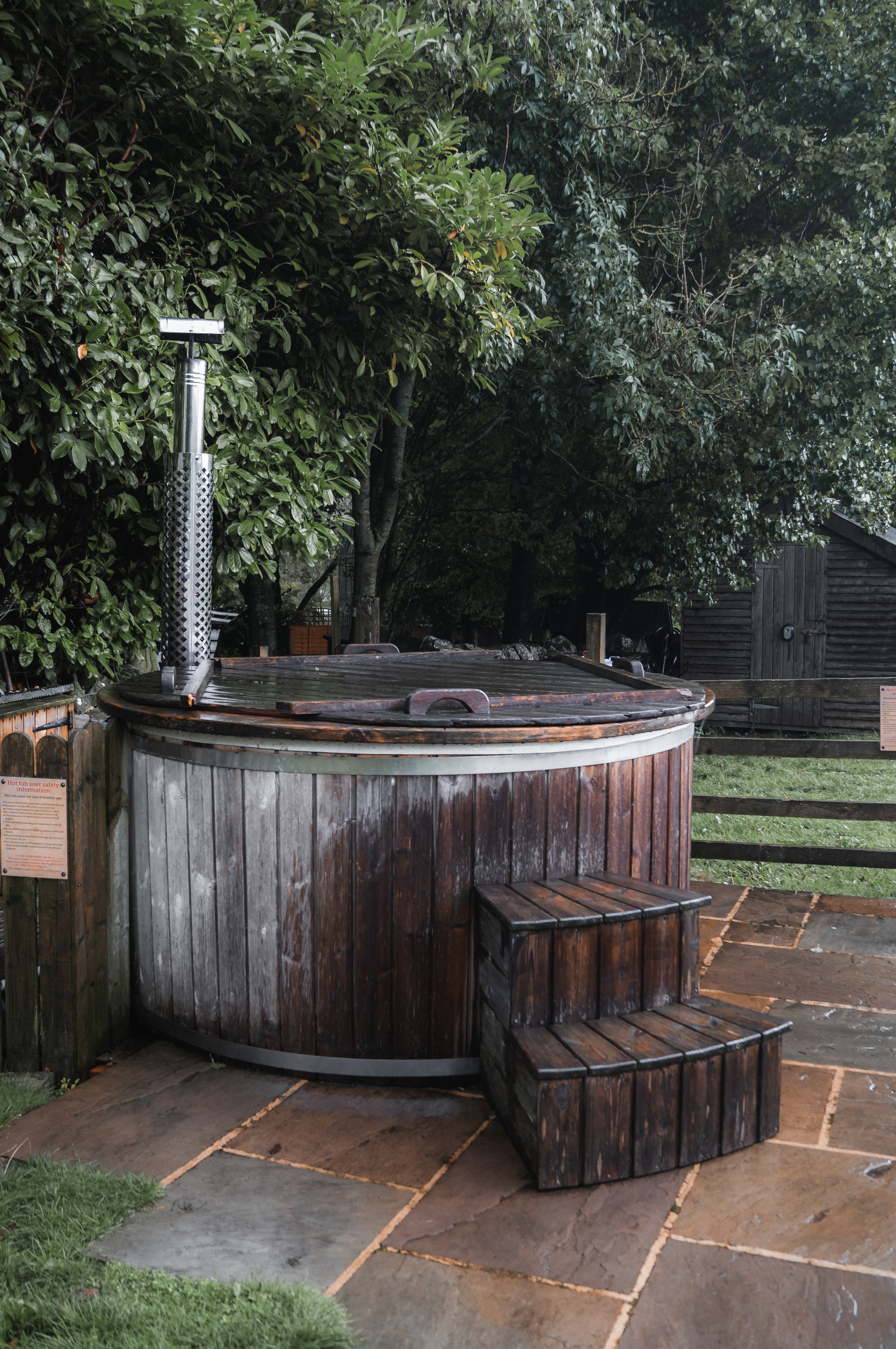
If you’re a hot tub enthusiast, you understand the joy and relaxation that a soak in warm, bubbling water can bring. However, before you can fully enjoy your hot tub experience, there’s a crucial factor to consider: ensuring your hot tub is installed on a level surface. The level surface forms the foundation of a safe, functional, and long-lasting hot tub setup. In this four-part series, we will explore the best ideas and options for leveling your hot tub to guarantee a perfect spa experience.
Why Does the Level Surface Matter?
A level surface is not just a good idea; it’s the best option when it comes to hot tub installation. Whether you have an inflatable hot tub or a more permanent spa, ensuring a level base is the first step towards hassle-free enjoyment. Here’s why:
- Stability: Hot tubs are heavy, especially when filled with water. Placing your hot tub on an uneven surface can lead to wobbling, instability, and potential accidents. A solid, level foundation offers the stability your hot tub needs.
- Preventing Damage: A level base prevents stress on the hot tub’s structure. Uneven surfaces can lead to undue pressure on specific points, potentially causing cracks, leaks, or warping over time.
- Proper Drainage: When your hot tub is level, water can properly drain from the tub after use. This prevents water from pooling around the spa, which can be a breeding ground for pests and cause structural damage over time.
- Electrical Connection: A level base helps in maintaining a consistent electrical connection. Electrical components in your hot tub, including pumps and heaters, are designed to function optimally on a flat surface.
- Ease of Use: The convenience of having a hot tub on a level surface cannot be overstated. You won’t have to deal with shifting water levels, uncomfortable seating, or difficulty in opening and closing the cover.
- Longevity: Hot tubs are a significant investment, and you want yours to last a long time. A level base provides the solid foundation necessary to ensure the structural integrity of your hot tub over the years.

Options for Achieving a Level Surface
Now that you understand why a level surface is essential, let’s explore the best ways to achieve it. Here are some popular options to consider:
- Concrete Base: A concrete foundation is a great option for a long-lasting and stable hot tub base. It involves pouring a thick concrete slab and allowing it to cure before placing the hot tub on top.
- Gravel Base: Creating a gravel pad is a common and relatively easy way to level a hot tub. You can use pea gravel or small stones to create a flat surface. This option works well for both permanent hot tubs and inflatable ones.
- Hot Tub Pad or Spa Pad: There are specially designed hot tub pads available that offer a level and stable surface. These pads often come in interlocking sections and are made from materials like plastic or foam. They are a good choice for spas placed on bare ground or a wooden deck.
- Deck Installation: Placing your hot tub on a wooden deck is a popular choice. However, it’s crucial to ensure the deck can handle the weight of the hot tub, water, and occupants. Reinforcement might be necessary to create a stable base.
- Paving Stones or Permeable Pavers: Pavers can be arranged to create a level surface, and their permeability helps with water drainage. This option offers both stability and aesthetics.
In the upcoming parts of this series, we will delve deeper into these options, discussing their pros and cons, installation processes, and important considerations. Remember, the key to a perfect hot tub experience begins with a level foundation, so choose the method that suits your space and preferences.
In the next section we’ll explore the nitty-gritty of preparing the ground and implementing the chosen method for achieving a level base for your hot tub installation.

Preparing the Ground for a Level Hot Tub Base
1. Measure and Mark:
The first step is to select the location for your hot tub and measure the area. Use a tape measure to ensure that you have enough space for the hot tub, taking into consideration any extra room required for access, maintenance, and safety. Once you’ve determined the area, mark the boundaries using stakes and string.
2. Clear the Area:
Clear the marked area of any debris, vegetation, rocks, or other obstacles that could interfere with your leveling process. It’s important to start with a clean slate to ensure the stability and longevity of your hot tub setup.
3. Address Uneven Surfaces:
If the ground is significantly uneven, you’ll need to address this before proceeding. Depending on the severity of the slope, you might need to remove excess soil from higher areas or fill in lower spots. A level surface is essential to avoid future problems, so take your time with this step.
4. Create a Solid Base:
For a concrete base or hot tub pad, you’ll need to dig a shallow trench to accommodate the thickness of the material you’re using. Make sure to compact the soil at the bottom of the trench to provide a stable foundation. If you’re using a gravel base, lay down a layer of landscape fabric before adding the gravel to prevent weed growth and promote proper drainage.
5. Check for Level:
Before proceeding further, it’s crucial to verify that the ground is level. This can be done using a bubble level or a laser level tool. Place the level in various spots across the marked area to ensure that there are no significant discrepancies. Adjust the soil or gravel as needed until you achieve a flat and level surface.
6. Consult the Manufacturer’s Instructions:
Regardless of the method you choose, always consult the manufacturer’s instructions for your hot tub. They might have specific recommendations for the type of base required to support your hot tub model. Following these guidelines is essential to ensure warranty coverage and proper performance.
7. Shim Points:
If your chosen method involves using shims, mark the points where you’ll place them. Shims are used to fine-tune the leveling process, especially on slightly uneven ground. Plastic shims are commonly used for this purpose.
8. Assess Drainage:
As you finalize the leveling process, pay attention to the drainage pattern of the area. You want water to flow away from the hot tub to prevent puddling around it. Adjust the ground slightly if necessary to achieve proper drainage.
9. Double-Check and Verify:
Before moving forward with installing your hot tub, take a final look at the leveled area. Use your bubble level or laser level to ensure that the surface is indeed level from multiple angles.
By diligently preparing the ground and creating a solid, level foundation, you’re setting the stage for a successful and enjoyable hot tub experience. In the next section we will delve into the specifics of different installation methods, beginning with the popular choice of a concrete base. Stay tuned to learn how to pour and finish a concrete foundation for your hot tub.

Installing a Concrete Base for Your Hot Tub
Why Choose a Concrete Base?
A concrete base offers a solid and long-lasting foundation for your hot tub. It can support the weight of the tub, water, and occupants while providing a level surface for optimal stability. Here’s how you can go about installing a concrete base:
Materials and Tools You’ll Need:
- Concrete Mix: Choose a high-quality concrete mix suitable for your local climate and weather conditions.
- Rebar or Wire Mesh: These provide reinforcement to the concrete, enhancing its strength.
- Wooden Forms: These will help shape and contain the concrete while it’s poured and cured.
- Tamping Tool or Vibrating Plate Compactor: These tools help compact the soil and ensure a solid foundation.
- Concrete Mixing Tools: This includes a wheelbarrow, shovel, and water source for mixing the concrete.
- Leveling Tools: A long, straight board and a bubble or laser level will help you achieve a level surface.
- Protective Gear: Don’t forget safety equipment such as gloves, safety glasses, and a dust mask.

Step-by-Step Guide:
- Build the Forms: Place wooden forms around the area where you plan to pour the concrete. Make sure the forms are properly aligned and level.
- Prepare the Ground: Before pouring the concrete, make sure the ground is compacted and level. You may need to add or remove soil as necessary.
- Add Rebar or Wire Mesh: Depending on the size of your hot tub and the local soil conditions, consider adding a layer of rebar or wire mesh to reinforce the concrete.
- Mix the Concrete: Follow the instructions on the concrete mix bag to create the right consistency. Mix the concrete thoroughly in a wheelbarrow.
- Pour and Spread: Carefully pour the mixed concrete into the forms. Use a shovel to spread the concrete evenly within the forms.
- Level the Surface: Use a long board or straightedge to level the surface of the concrete. Check for levelness in multiple directions using a bubble or laser level.
- Smooth and Finish: Once the surface is level, use a trowel to smooth the concrete and create a uniform finish. You can add a broom finish for added traction.
- Curing and Drying: Allow the concrete to cure according to the manufacturer’s instructions. This typically involves keeping the surface moist and protected from direct sunlight as it hardens.
- Remove Forms: Once the concrete has fully cured, carefully remove the wooden forms. Be cautious not to damage the concrete edges.
Important Tips:
- Before pouring concrete, ensure that the ground is well-compacted to prevent settling in the future.
- Use the right amount of water when mixing the concrete. Too much water weakens the mixture, while too little can make it difficult to work with.
- Follow local building codes and regulations when pouring a concrete base. Some areas might require permits or adherence to specific guidelines.
A concrete base provides an excellent option for achieving a level and stable foundation for your hot tub. It’s important to follow the steps carefully to ensure a strong and durable base that can withstand the weight of the hot tub and its occupants. In the next section, we’ll explore additional methods, including gravel bases and specially designed hot tub pads, for achieving a level surface for your hot tub installation. Stay tuned to learn more!

Exploring Alternative Methods for a Level Hot Tub Base
In the final section of our guide on achieving the perfect foundation for your hot tub installation! We discussed preparing the ground and installing a concrete base. Now, we’re exploring alternative methods for achieving a level hot tub base: using gravel bases and specially designed hot tub pads.
Option 1: Gravel Base
A gravel base is a simple and cost-effective solution for leveling your hot tub. Here’s how to do it:
Materials You’ll Need:
- Pea Gravel or Small Stones: These provide a stable and level surface for your hot tub.
- Landscape Fabric: To prevent weed growth and ensure proper drainage.
- Shovel and Rake: For moving and leveling the gravel.
- Leveling Tools: Bubble level or laser level to ensure the base is flat.
Step-by-Step Guide:
- Clear the Area: Start by clearing the marked area of debris and vegetation.
- Lay Landscape Fabric: Lay down landscape fabric to prevent weeds from growing through the gravel.
- Spread the Gravel: Pour a layer of pea gravel or small stones onto the fabric. Use a rake to spread and level the gravel evenly.
- Compact the Gravel: Use a tamper or plate compactor to compact the gravel. This helps create a stable and solid base.
- Check for Level: Use a leveling tool to ensure the gravel base is flat and level. Make adjustments as needed.
- Double-Check Drainage: Ensure the gravel allows for proper drainage away from the hot tub.

Option 2: Specially Designed Hot Tub Pads
Specially designed hot tub pads offer convenience and ease of installation. These pads are often made from plastic or foam and come in interlocking sections.
Materials You’ll Need:
- Hot Tub Pad: Choose a pad suitable for your hot tub’s size and weight.
- Leveling Tools: Bubble level or laser level for precise installation.
Step-by-Step Guide:
- Prepare the Ground: Clear the area and ensure the ground is level.
- Assemble the Pad: Follow the manufacturer’s instructions to assemble the hot tub pad. This often involves interlocking the sections.
- Check for Level: Use a leveling tool to ensure the assembled pad is perfectly level.
- Place the Hot Tub: Once the pad is level, place your hot tub on it according to the manufacturer’s instructions.
Key Considerations:
- Gravel bases and hot tub pads work well for both permanent hot tubs and inflatable ones.
- Ensure that the gravel is properly compacted to prevent settling over time.
- When using a hot tub pad, follow the manufacturer’s guidelines for weight and installation to ensure stability.
Conclusion:
In this series, we’ve covered the essential steps and options for achieving a level hot tub base. Whether you choose a concrete base, a gravel base, or a specially designed hot tub pad, the goal remains the same: to provide your hot tub with a stable, level foundation that promotes safety, longevity, and an enjoyable spa experience.
Remember, the method you choose should be based on factors such as your hot tub’s weight, your outdoor space, and your preferences. Always refer to the manufacturer’s instructions and local building codes to ensure proper installation. With a level base in place, you’re well on your way to creating a haven of relaxation and enjoyment right in your own backyard.
Leave a Reply