
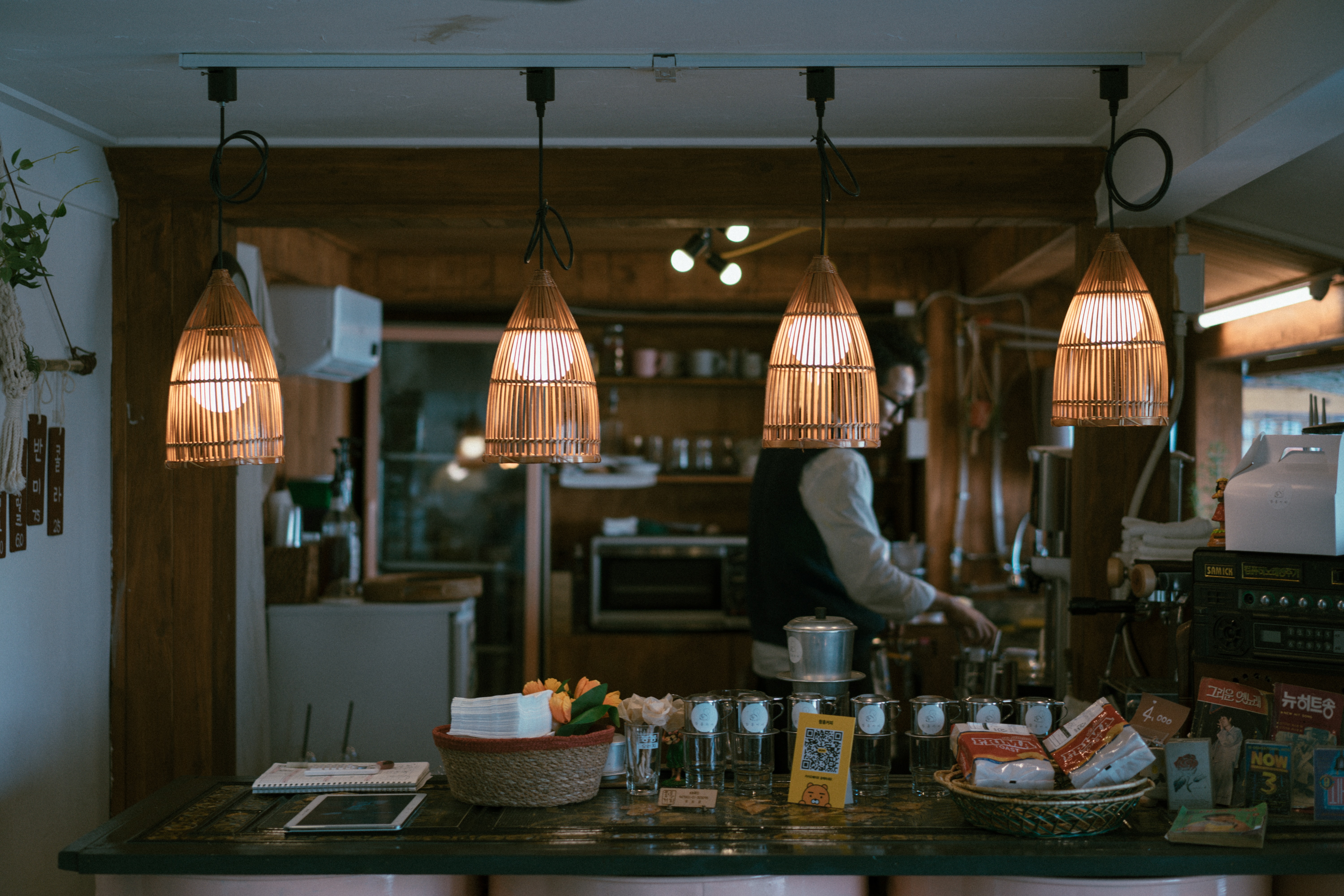
When it comes to kitchen design, lighting is often overlooked, but it’s actually one of the most important aspects to consider. The right lighting can completely transform the look and feel of your kitchen, making it more functional, stylish, and inviting. In this blog post, we’ll explore the best lighting options for your kitchen, and how to choose the right fixtures and bulbs to suit your needs.
1. Overhead Lighting
Overhead lighting is the most basic and common type of kitchen lighting. It provides general illumination for the entire space and is usually installed on the ceiling. There are a variety of options for overhead lighting, including recessed lighting, flush mounts, and semi-flush mounts. Recessed lighting is a popular choice because it’s subtle and doesn’t take up any visual space. It’s also adjustable, so you can direct the light exactly where you need it. Flush mounts and semi-flush mounts are great for smaller kitchens or those with lower ceilings, as they don’t hang down too far and take up less space.
When choosing overhead lighting, it’s important to consider the size and layout of your kitchen. If you have a large kitchen with an open floor plan, you may need more than one fixture to provide adequate lighting. If your kitchen has a lot of cabinets or shelves, you’ll want to choose fixtures that won’t be blocked by them. Additionally, you’ll want to consider the color temperature of the bulbs, as this can affect the ambiance of your kitchen.
2. Under Cabinet Lighting
Under cabinet lighting is a great way to add task lighting to your kitchen. It’s installed underneath your upper cabinets and provides direct light to your countertops, making it easier to prepare food and read recipes. Under cabinet lighting can be installed in a variety of ways, including LED strips, puck lights, and linear lights.
LED strips are a popular choice because they’re easy to install and provide even lighting. Puck lights are also a good option, as they’re small and can be installed in tight spaces. Linear lights are great for larger kitchens, as they can be extended to cover a wider area.
When choosing under cabinet lighting, it’s important to consider the color temperature of the bulbs. You’ll want to choose bulbs that are bright enough to provide adequate task lighting, but not so bright that they create glare or harsh shadows. Additionally, you’ll want to choose fixtures that are energy-efficient and long-lasting, as they’ll be used frequently.
3. Pendant Lighting
Pendant lighting is a popular choice for kitchen islands and dining areas. It provides direct, focused light and adds visual interest to the space. Pendant lights come in a variety of styles and materials, from sleek and modern to rustic and industrial.
When choosing pendant lighting, it’s important to consider the size and style of your kitchen. If you have a large island, you may want to choose multiple pendant lights to provide adequate lighting. Additionally, you’ll want to consider the height of your ceiling, as pendant lights should be installed at a height that allows for comfortable viewing.
4. Track Lighting
Track lighting is a versatile option for kitchens, as it allows you to direct light exactly where you need it. It’s installed on a track that can be adjusted to point in different directions, making it ideal for larger kitchens or those with multiple work areas. Track lighting can be used for both general and task lighting, depending on the placement of the fixtures.
When choosing track lighting, it’s important to consider the layout and size of your kitchen. You’ll want to choose a track that can be adjusted to cover all areas of your kitchen. Additionally, you’ll want to consider the style of your kitchen, as track lighting comes in a variety of finishes and materials.
5. Natural Light
As mentioned earlier, natural light can be a wonderful addition to your kitchen. If your kitchen has windows or skylights, take advantage of them by keeping them clean and unobstructed. A well-lit kitchen can brighten up your mood and provide a sense of warmth and comfort. Natural light can also enhance the appearance of your kitchen and create a welcoming ambiance for your guests.
However, it is important to note that natural light can also have some drawbacks. Direct sunlight can cause fading or discoloration of your kitchen cabinets, countertops, and flooring. Additionally, excessive heat from sunlight can also damage your appliances and cause discomfort in the kitchen. To combat these issues, you can install window treatments such as blinds or shades to regulate the amount of sunlight entering your kitchen.
If your kitchen does not have windows, consider adding one or more to bring in natural light. A well-placed window can not only brighten up your kitchen but also provide a beautiful view of the outdoors. You can also consider adding a skylight to your kitchen ceiling to bring in additional natural light.
In conclusion, choosing the right lighting for your kitchen can make a big difference in its functionality and overall aesthetic appeal. Consider a combination of task lighting, ambient lighting, and accent lighting to create a warm and inviting space. Whether you choose a modern pendant light, a sleek track lighting system, or a rustic chandelier, make sure it fits the style of your kitchen and complements your decor. With the right lighting, your kitchen will become a space where you can enjoy cooking, entertaining, and spending time with your family and friends.
Remember to take into consideration the different lighting needs in different areas of your kitchen, as well as the importance of natural light. Don’t be afraid to experiment with different lighting fixtures and designs to find what works best for your space. Additionally, be mindful of energy efficiency and consider LED lighting options that can save you money on your electricity bill. By following these tips, you can create a well-lit and inviting kitchen that will be the heart of your home.
Leave a Reply